


As we approach the nation’s 250th anniversary, we have a choice about what kind of civic adulthood we want to inhabit. We can stage a nostalgic pageant—powdered wigs, sanitized quotes, and a tidy story about a “Christian nation” that never quite existed. Or we can grow up.
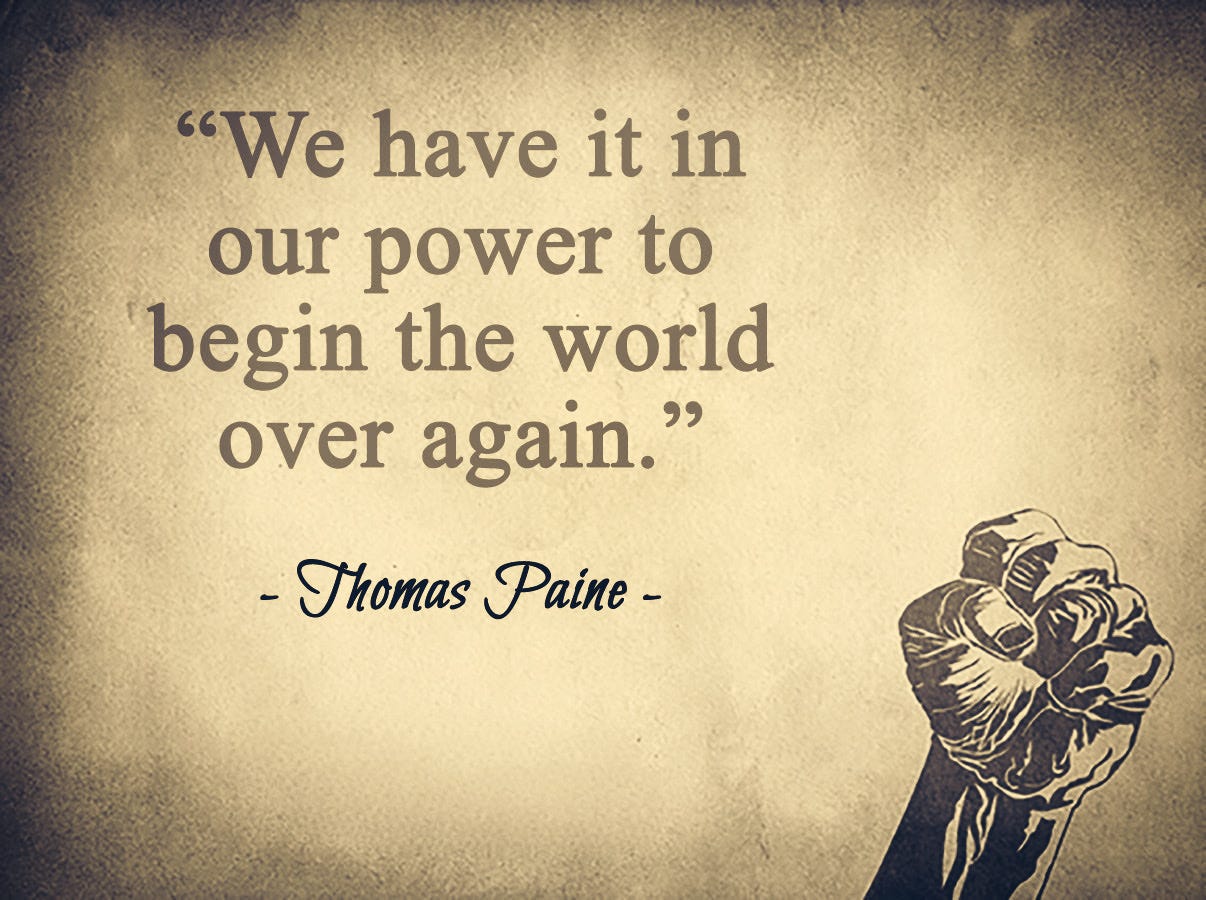
Growing up, as a republic, means refusing to confuse mythology with memory. It means recognizing that maturity is not the absence of pride, but the presence of honesty. Nations, like people, can cling to flattering origin stories long past their usefulness. But a 250-year-old country does not need bedtime stories. It needs self-examination.
This is where I want to situate the next season of writing: in what I call critical patriotism.
Critical patriotism is not self-hatred. It is not a performative disdain for the founding generation. Nor is it the reflexive defense of every founder’s flaw as “context” beyond moral scrutiny. It is the disciplined practice of telling the truth about our origins—both the courage and the cruelty—and then asking what fidelity to the American promise requires now.
It honors the radicalism of the Declaration without pretending that its authors embodied its full implications. It acknowledges that the Constitution created durable mechanisms for self-correction while also conceding that those mechanisms were born inside a society structured by exclusion. It recognizes religious liberty as one of the republic’s great achievements—not because one faith triumphed, but because no faith was given total control.
Critical patriotism refuses hagiography, but it also refuses cynicism. It distinguishes between the American Promise and the flawed architects who first articulated it. The promise—that rights are inherent, that power must be restrained, that government derives its legitimacy from consent—is larger than any single generation. The founders gestured toward it. They did not complete it. That unfinished work is ours.
At 250, the question is not whether the founding was pure. It wasn’t. The question is whether we are willing to inherit its ideals without inheriting its illusions.
This series will explore that tension. It will examine the myths we have canonized, the contradictions we have minimized, and the principles worth preserving. Not to tear down the country—but to insist that loving a republic means wanting it to tell the truth about itself.
If we are worthy of a 250th anniversary, it will not be because we perfected the past. It will be because we were honest enough to confront it—and brave enough to extend its promise further than its founders ever did.
This is the hope of the promise. And it belongs to no party.